
news
What is the Importance of Operating Room Cleanliness Projects?
First, operating room cleanliness effectively reduces the risk of intraoperative infection. Bacteria, viruses, and other microorganisms in the operating room can lead to surgical site infections, seriously threatening patient health. Cleanliness engineering effectively filters and removes airborne particles and microorganisms, maintaining clean and sterile air in the operating room, thereby reducing the infection rate.
Second, operating room cleanliness provides a stable temperature and humidity environment. Surgery requires specific temperature and humidity conditions to ensure the comfort and safety of medical staff and patients. Cleanliness engineering can regulate the temperature and humidity in the operating room, ensuring the stability and reliability of the environment during surgery.
Furthermore, operating room cleanliness effectively reduces noise and odors in the operating room. Noise and odors are often present in operating rooms and can interfere with surgical procedures and postoperative recovery. Cleanliness engineering effectively reduces these interfering factors, creating a quiet and refreshing surgical environment.
In short, the importance of operating room cleanliness engineering cannot be ignored. They can ensure the safety and success rate of surgery, reduce the risk of infection, provide a stable temperature and humidity environment, minimize noise and odor interference, and create a safe and comfortable surgical environment for medical staff and patients.
Related recommendations
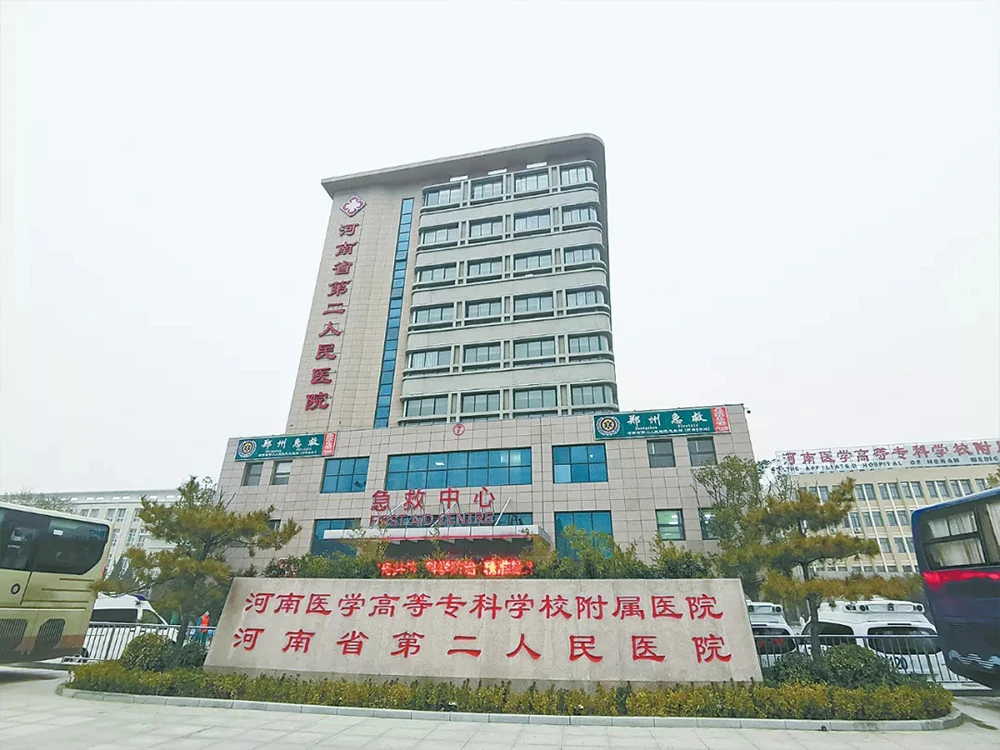



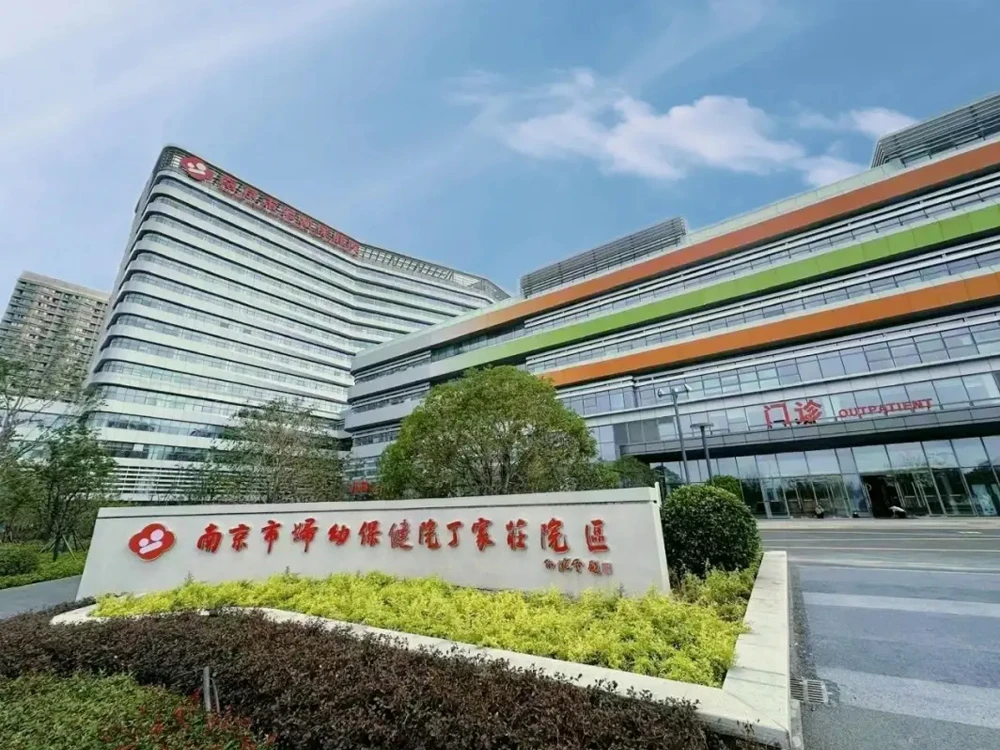
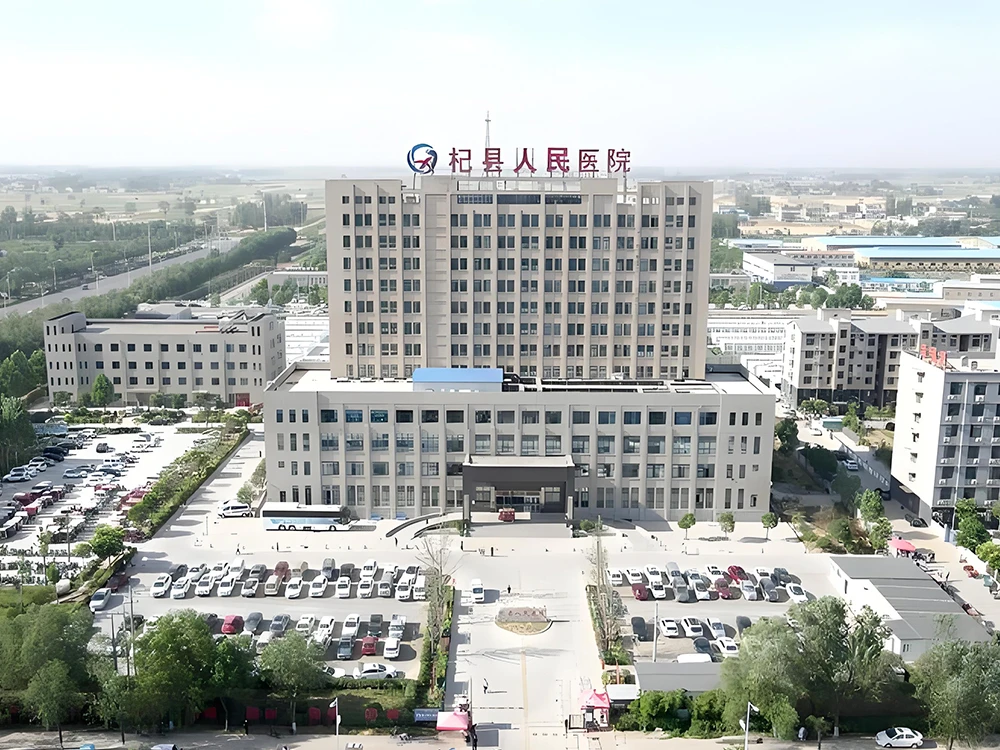
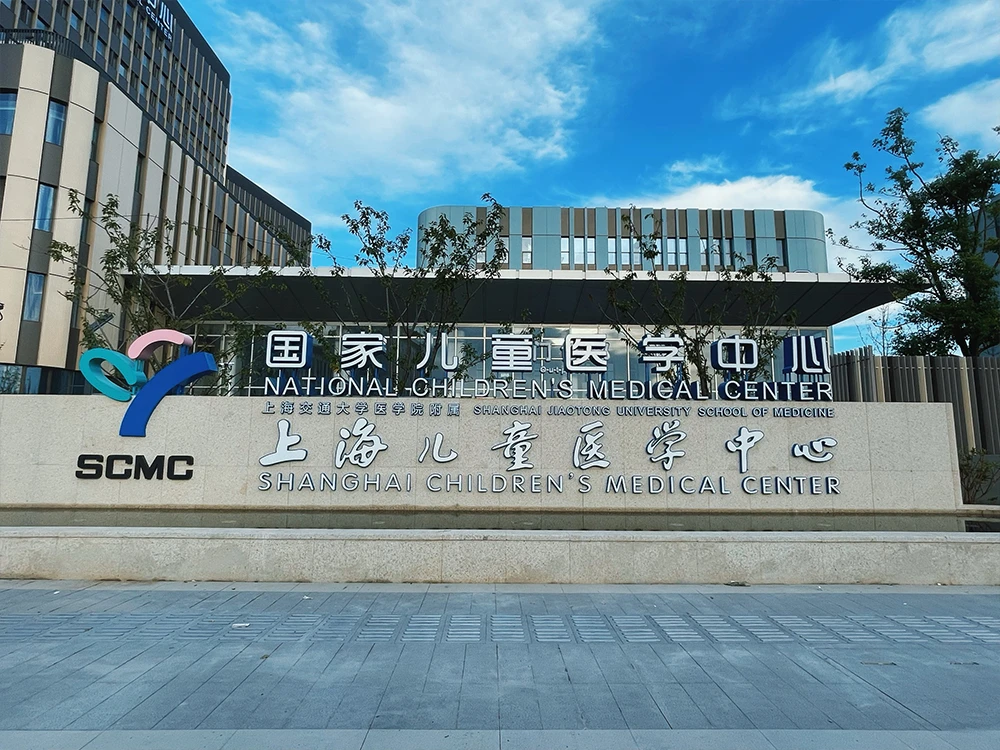

In our pursuit of market expansion, we have long been actively involved in global medical exhibitions. Leveraging years of export experience, we have established partnerships with numerous countries and regions. Currently, we are seeking long-term partners globally! Welcome to visit our factory!
